



Cheese Appetizers
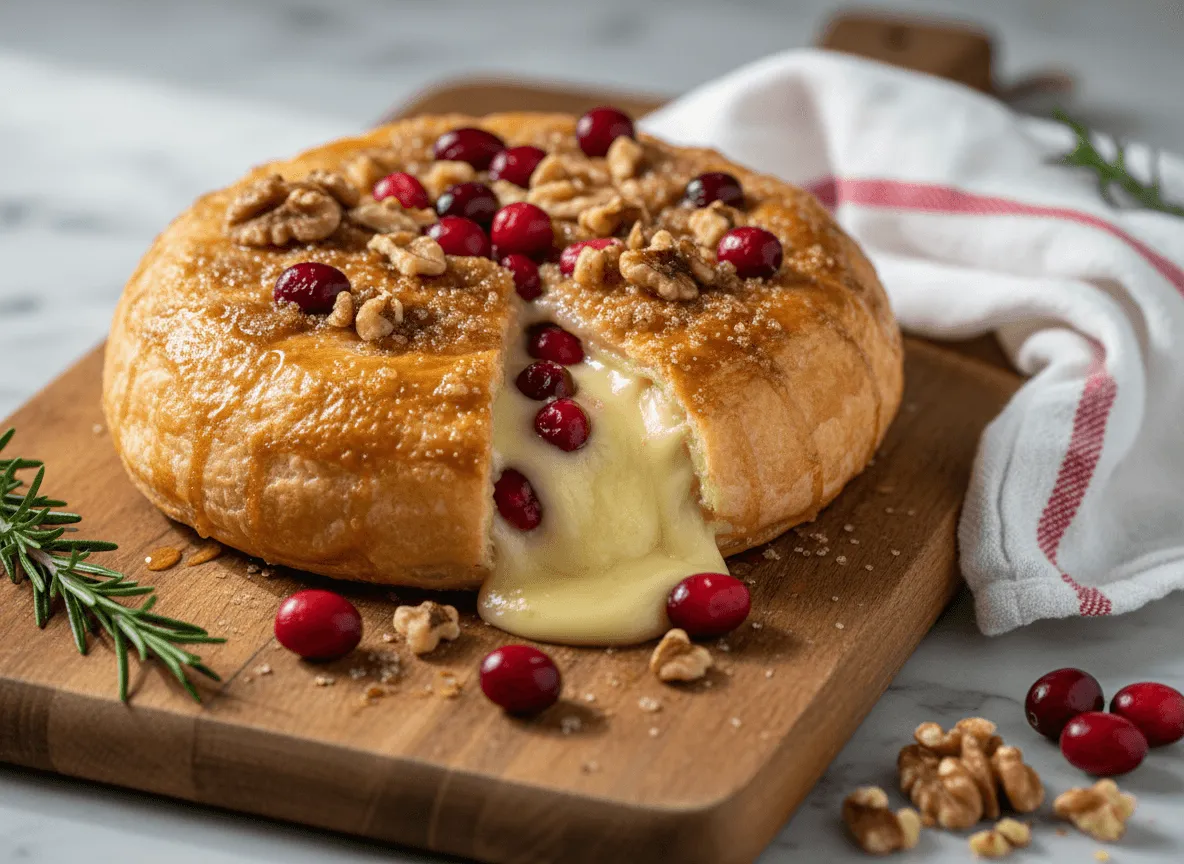
Baked Brie with Cranberries and Walnuts in Puff Pastry
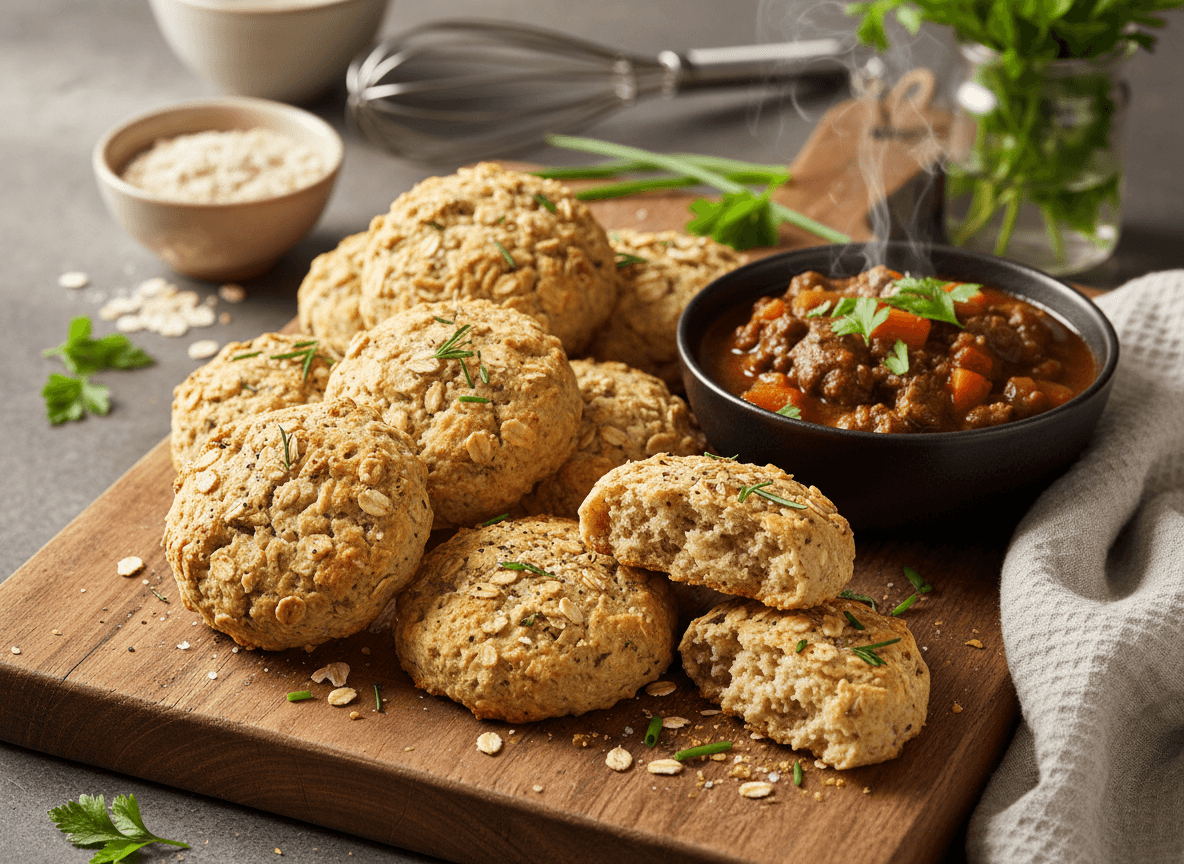
Elevate your comfort food with these delightful Savory Herb Oat Biscuits. Featuring a crisp exterior and a tender, flavorful crumb infused with winter herbs, they are the perfect accompaniment to hearty soups and rich stews.
*Nutrition per serving
Elevate your comfort food with these delightful Savory Herb Oat Biscuits. Featuring a crisp exterior and a tender, flavorful crumb infused with winter herbs, they are the perfect accompaniment to hearty soups and rich stews.
*Nutrition per serving
| 250g (2 cups) | All-purpose flour |
| 100g (1.5 cups) | Rolled oats |
| 15g (3.5 tsp) | Baking powder |
| 5g (1 tsp) | Salt |
| 2g (0.5 tsp) | Black pepper |
| 15g (2 tbsp) | Fresh rosemary, finely chopped |
| 10g (1 tbsp) | Fresh thyme leaves |
| 115g (8 tbsp or 0.5 cup) | Unsalted butter, cold and cubed |
| 240ml (1 cup) | Milk |
| 1 large (50g) | Egg |
Preheat your oven to 200°C (400°F). Line a baking sheet with parchment paper or a silicone baking mat. This prevents sticking and ensures even browning.
In a large mixing bowl, whisk together the all-purpose flour (250g or 2 cups), rolled oats (100g or 1.5 cups), baking powder (15g or 3.5 tsp), salt (5g or 1 tsp), and black pepper (2g or 0.5 tsp). Ensure all dry ingredients are well combined.
Add the finely chopped fresh rosemary (15g or 2 tbsp) and fresh thyme leaves (10g or 1 tbsp) to the dry ingredients. Stir to distribute the herbs evenly throughout the mixture. Using fresh herbs will provide a more vibrant flavor.
Add the cold, cubed unsalted butter (115g or 8 tbsp/0.5 cup) to the dry ingredients. Use a pastry blender, your fingertips, or a food processor to cut the butter into the flour mixture until it resembles coarse crumbs with some pea-sized pieces of butter remaining. This step is crucial for creating flaky biscuits.
Avoid overmixing; small pieces of butter will melt during baking, creating steam pockets that lead to a lighter, flakier texture.
In a separate small bowl, whisk together the milk (240ml or 1 cup) and the large egg (1 egg, 50g). This mixture will act as the binder for your biscuits.
Pour the wet ingredients into the dry ingredients. Gently mix with a fork or spatula until just combined. The dough should be shaggy and slightly sticky. Be careful not to overmix, as this can result in tough biscuits.
Overmixing develops the gluten in the flour too much, leading to dense, tough biscuits instead of tender ones.
Turn the dough out onto a lightly floured surface. Gently pat or fold the dough a few times (about 4-6 times) to bring it together. Avoid kneading. This creates layers and improves texture.
Folding the dough just a few times helps create layers without overworking the gluten.
Pat the dough into a rectangle approximately 2.5cm (1 inch) thick. Use a biscuit cutter or a sharp knife to cut out 12 biscuits. For best results, press the cutter straight down without twisting. If using a knife, cut straight down.
Place the cut biscuits onto the prepared baking sheet, ensuring they are close together but not quite touching. This helps them rise evenly and develop soft sides.
Bake in the preheated oven at 200°C (400°F) for 15-20 minutes, or until the biscuits are golden brown on top and around the edges, and a toothpick inserted into the center comes out clean.
Baking time can vary slightly depending on your oven. Keep an eye on them after 15 minutes to prevent burning.
Remove the biscuits from the oven and let them cool on the baking sheet for a few minutes before transferring them to a wire rack. Serve warm.
Cheese Appetizers
Baked Brie with Cranberries and Walnuts in Puff Pastry

Bread & Baked Goods
Classic Soft Cinnamon Rolls with Vanilla Icing
Bread & Baked Goods
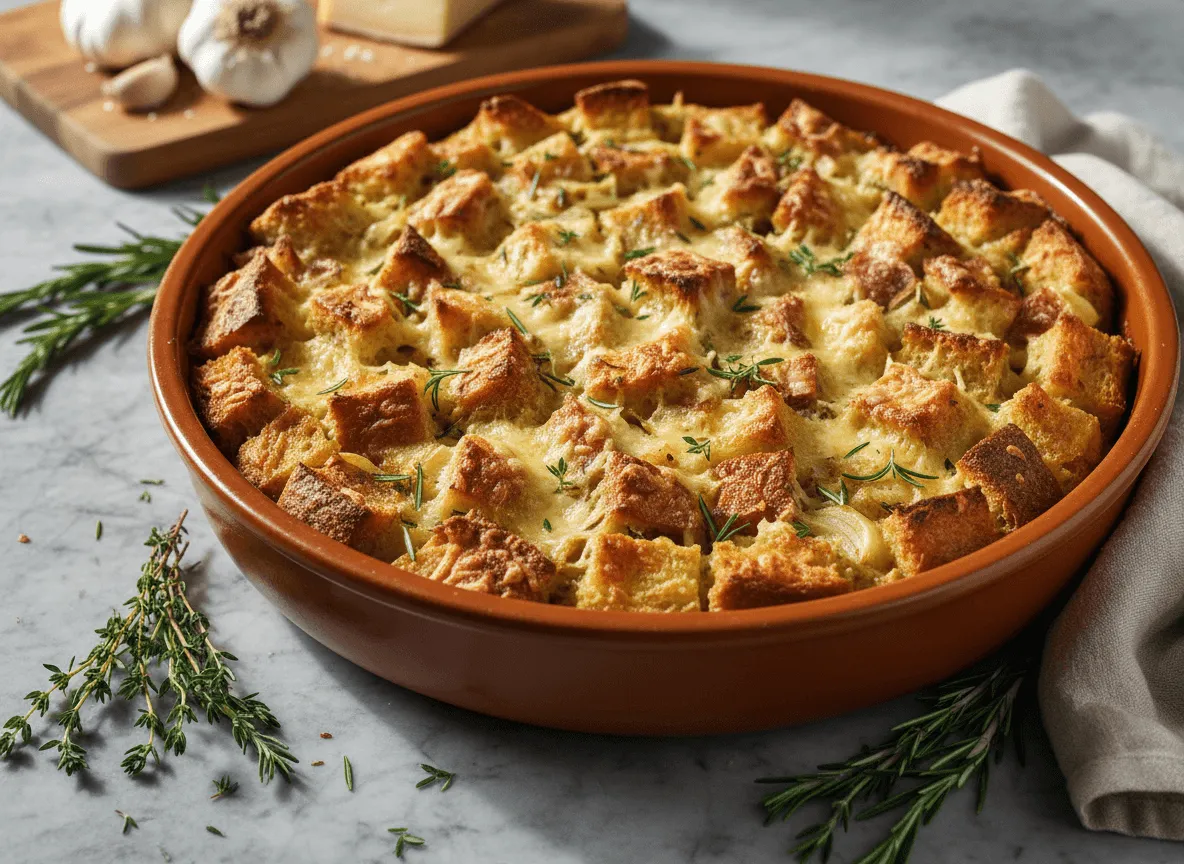
Savory Rosemary Bread Pudding with Gruyere and Thyme
Meat & Poultry
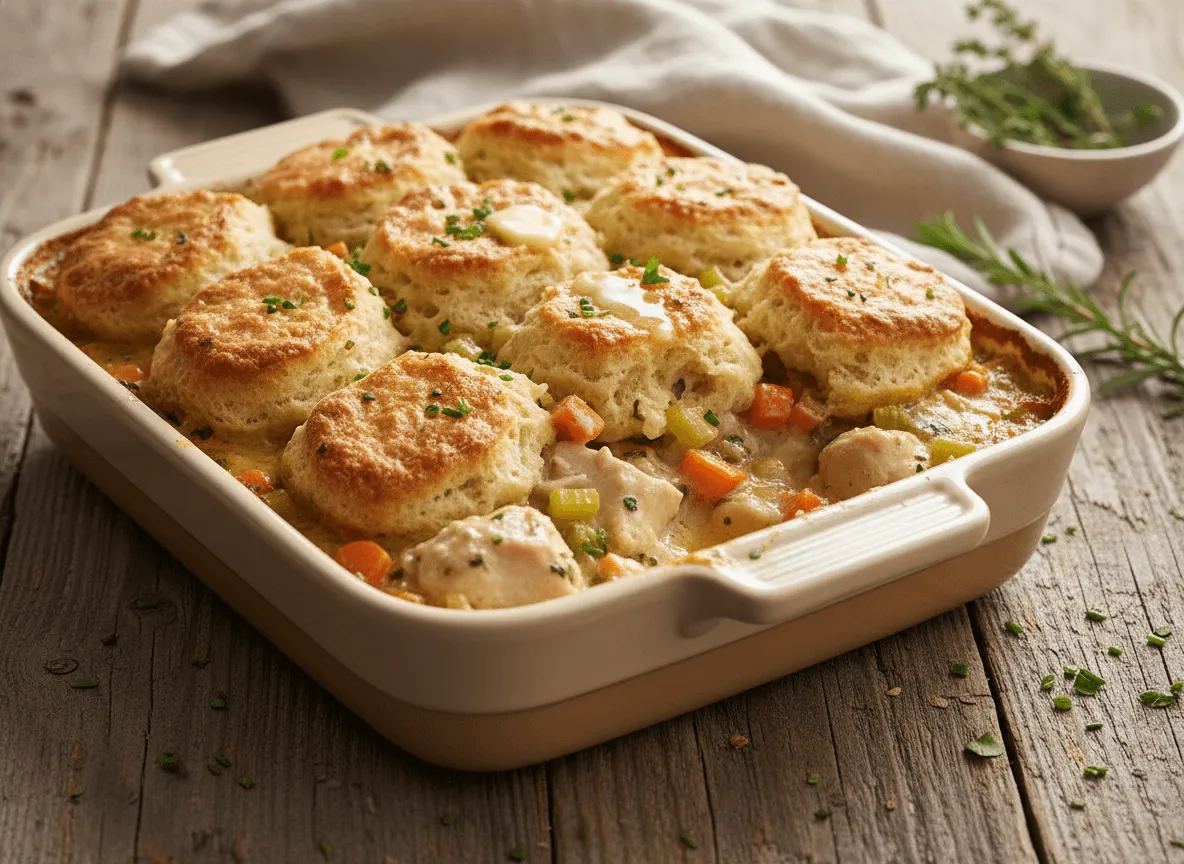
Cozy Chicken and Biscuit Casserole
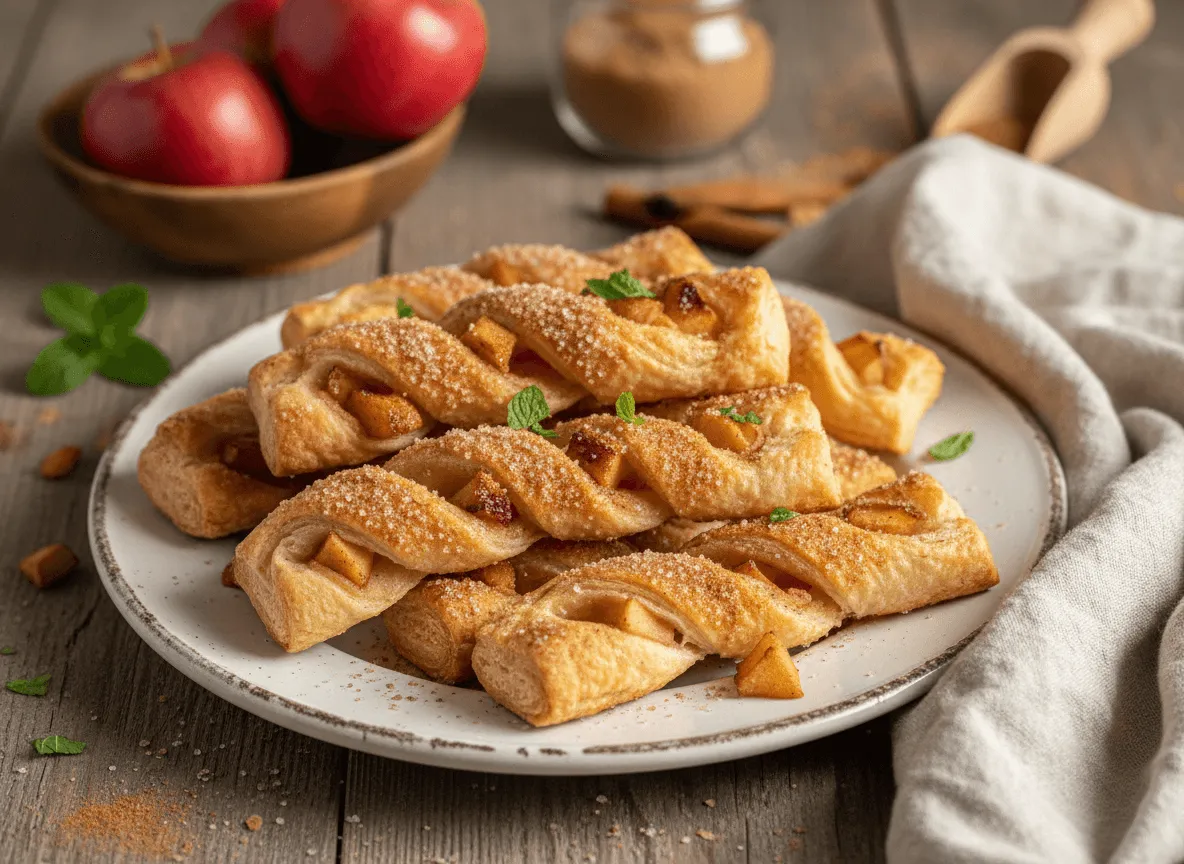
Bread & Baked Goods
Easy Cinnamon Apple Puff Pastry Twists
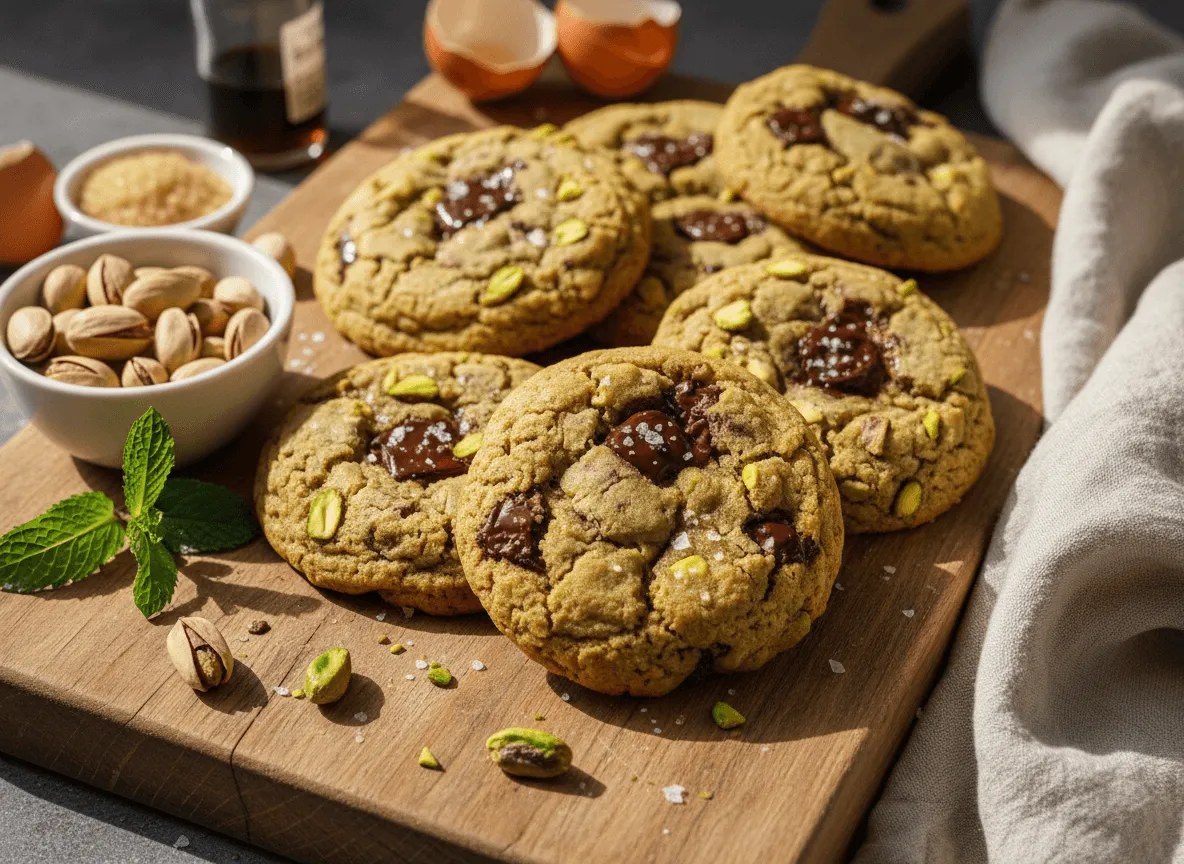
Cookies
Soft Pistachio Chocolate Chunk Cookies